Give Your Child a Lifetime of Smiles
What is Early Treatment?
Orthodontics in Kirkland can help prevent or address more serious dental problems before they develop. Starting treatment early may make future orthodontic care shorter, simpler, and more affordable. In some cases, Dr. Shi or Dr. Pan can achieve results during a child’s growth stage that would be far more challenging to achieve after the face and jaws have finished growing.
When is the Best Time for Treatment?
Although the best age for braces varies, orthodontic treatment at Emerald City Orthodontics in Kirkland typically begins between the ages of 9 and 14. Starting treatment during this period allows orthodontic issues, such as misaligned teeth or bite problems, to be addressed while they are easier to manage and before growth is complete.
Role of a Children’s Orthodontist
Importance of Early Orthodontic Intervention
Early orthodontic treatment, or interceptive orthodontics, addresses dental issues at an early stage to prevent serious problems later. Benefits include:
Preventing severe
dental issues
A bright, healthy smile not only boosts self-esteem but also helps create a great first impression by improving oral function and structure.
Improving appearance
and confidence
Starting treatment early can prevent potential dental complications, ultimately saving time, money, and unnecessary discomfort.
Enhancing oral health
Properly aligned teeth are easier to clean, which helps reduce the risk of cavities, gum disease, and other oral health concerns.
Benefits of Children’s
Orthodontic Treatment
Improved Oral Health and Hygiene
Enhanced Speech Development
Prevention of Future Dental Issues
Boosted Confidence and Self-Esteem
Understanding Children’s Orthodontic Treatment
Braces
Braces feature brackets on each tooth connected by an archwire.
Aligners
These are clear, plastic trays that fit over the teeth.
Retainers
These are used after braces or aligners to keep the teeth in their new position.
Space maintainers
These are used when a child loses a baby tooth prematurely.
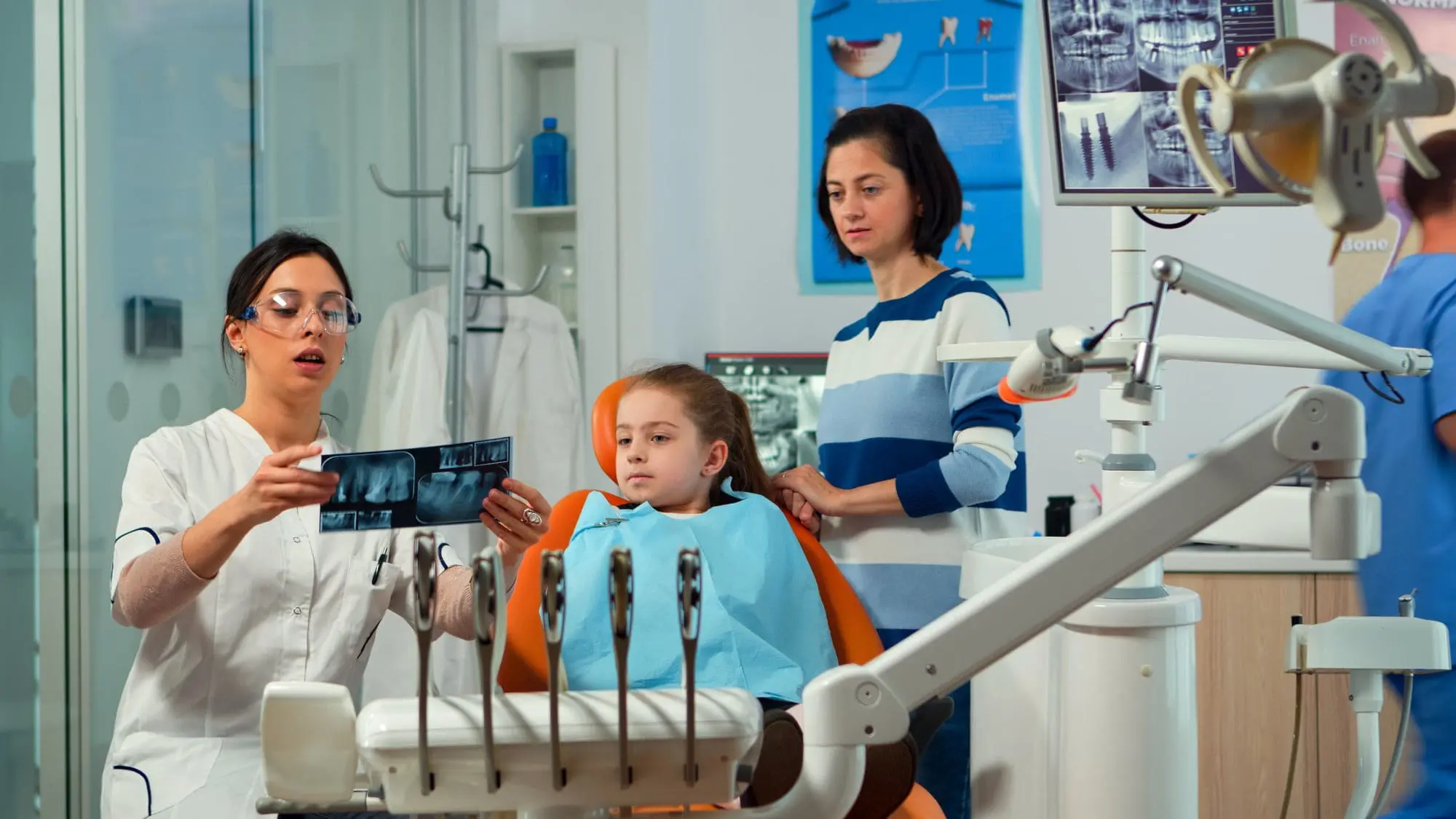
Importance of Early Evaluation
The American Association of Orthodontists recommends that children have their first orthodontic evaluation by the age of seven. Early detection of issues like overcrowding or bite problems can simplify treatment and prevent future complications.
Treatment Process
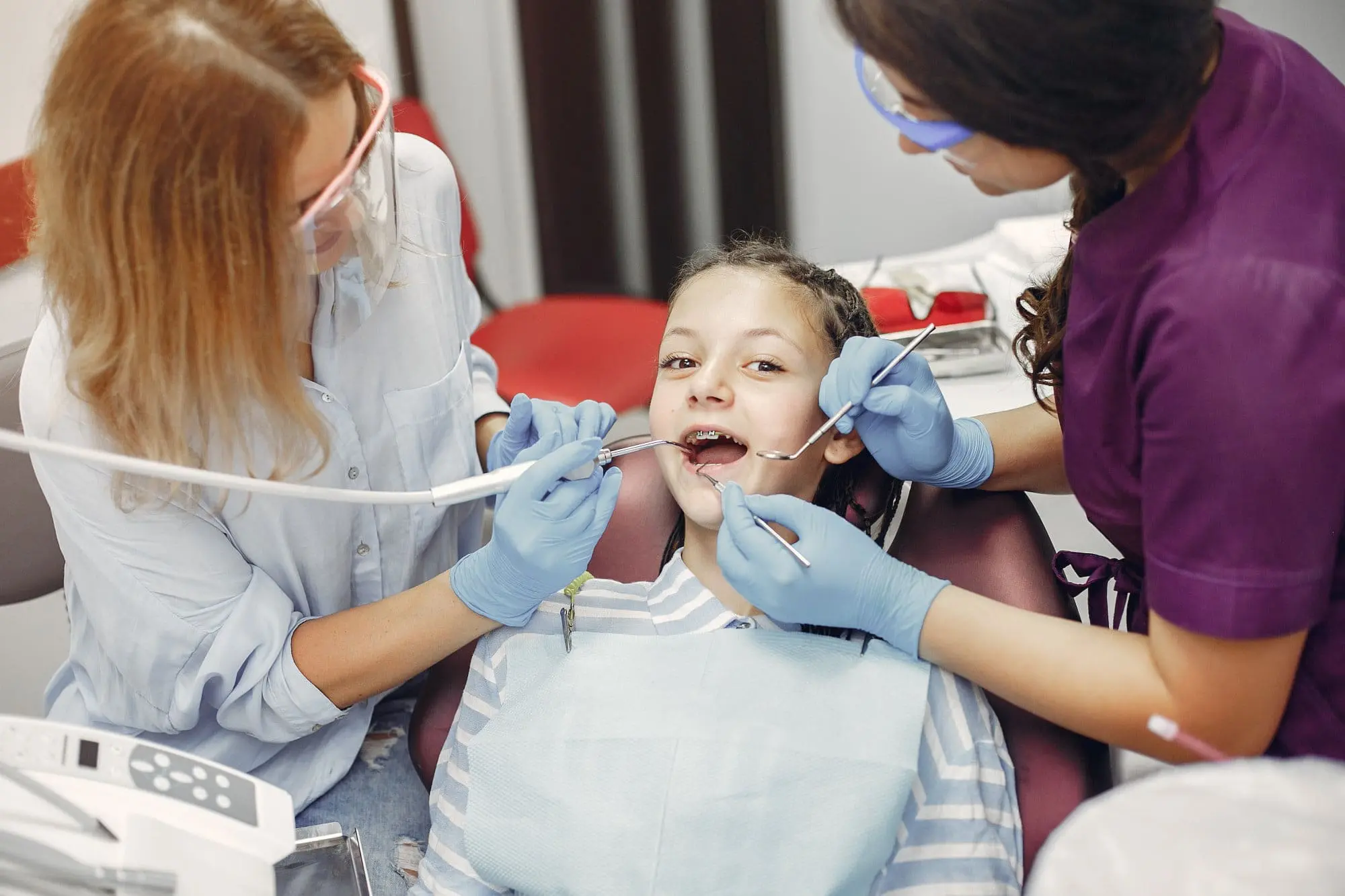
Consultation
Includes examination, X-rays and impressions.
Appliance Placement
Orthodontic devices are fitted based on the treatment plan.
Follow-ups
Regular adjustments to monitor and ensure progress.
Retention
A retainer is often used after treatment to maintain results.
Appointment Duration and Frequency
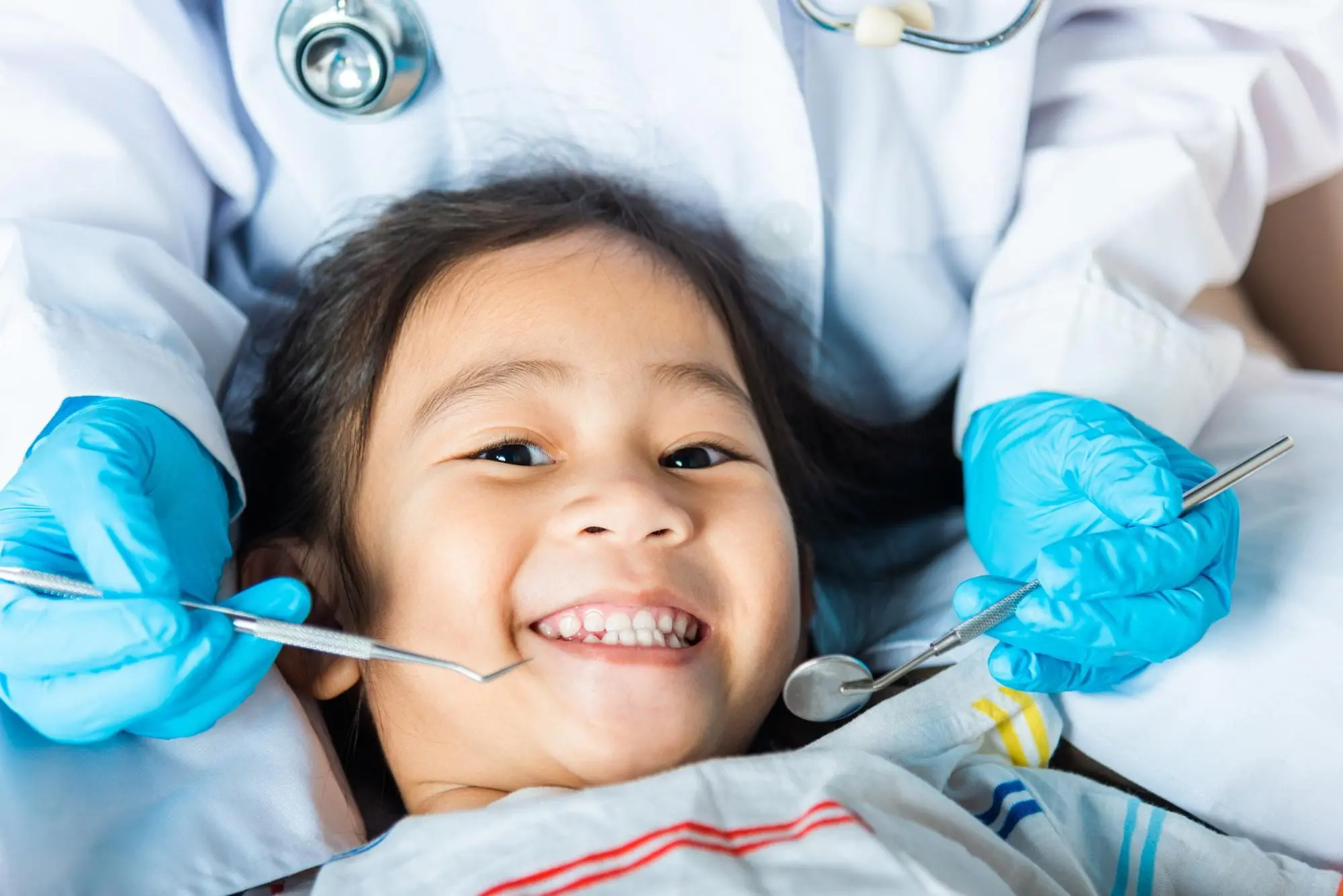
The duration and frequency of orthodontic appointments can vary depending on the type of appliance used and the severity of the dental issue. Typically, braces need adjustments every four to six weeks, while aligners are generally switched every two weeks. Appointments usually last from 30 to 60 minutes. The overall treatment time can range from six months to three years or more, depending on the individual case.
Common Orthodontic Issues in Children
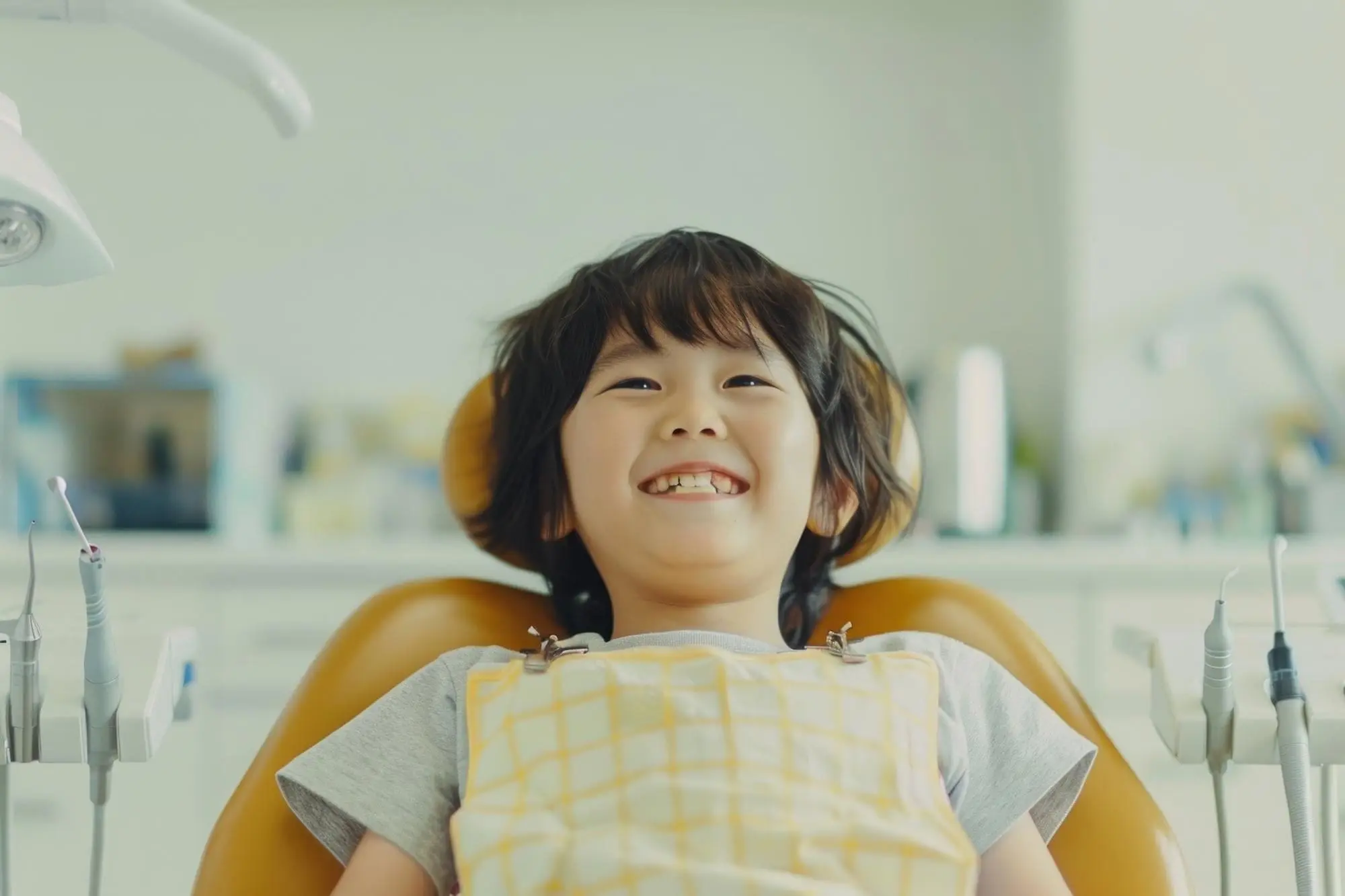
Overbite, Underbite, Crossbite and Spacing Problems
Crooked or Misaligned Teeth
Caused by genetics, thumb sucking, or accidents. Misaligned teeth can cause complications with cleaning, increasing the risk of cavities and gum disease.
Crowding or Spacing Issues
Crowding happens when there isn’t enough room for teeth to align properly, making it harder to clean them thoroughly and increasing the likelihood of plaque buildup, which can lead to tooth decay.
Thumb Sucking and Other Oral Habits
Thumb sucking is a common habit in young children; however, when it continues for an extended period, it can lead to misalignment of teeth and structural changes to the roof of the mouth.
Orthodontic Treatment Options for Children
Traditional Braces
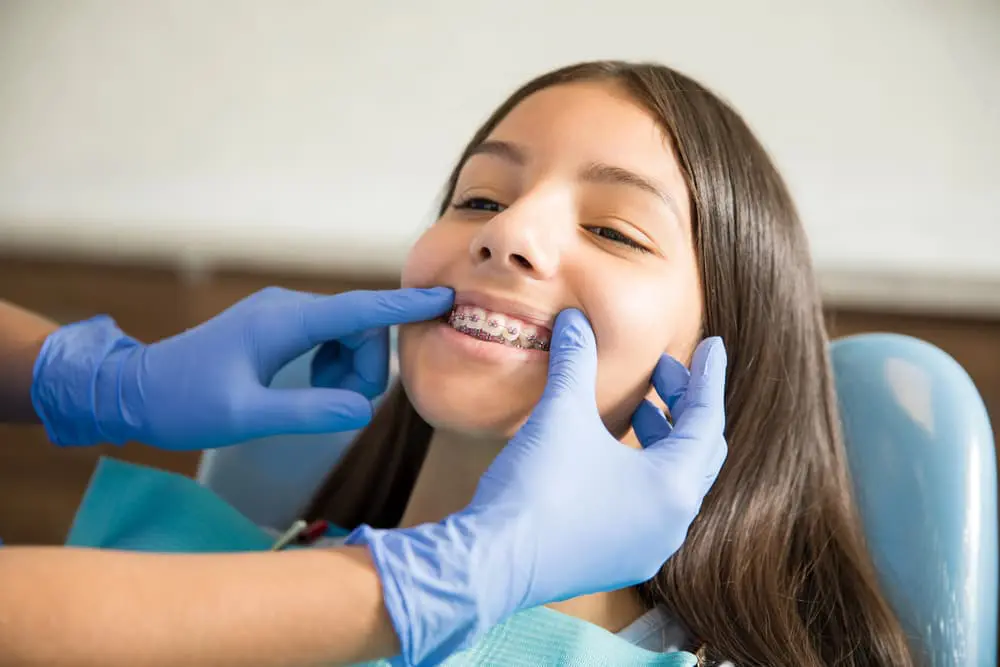
Traditional braces have been a foundational method in orthodontic treatment for decades and remain the most commonly used orthodontic appliance.
Components
Brackets, archwires and ligature elastics.
Benefits
Effective for severe misalignments, durable and suitable for a wide range of dental issues.
Clear Aligners
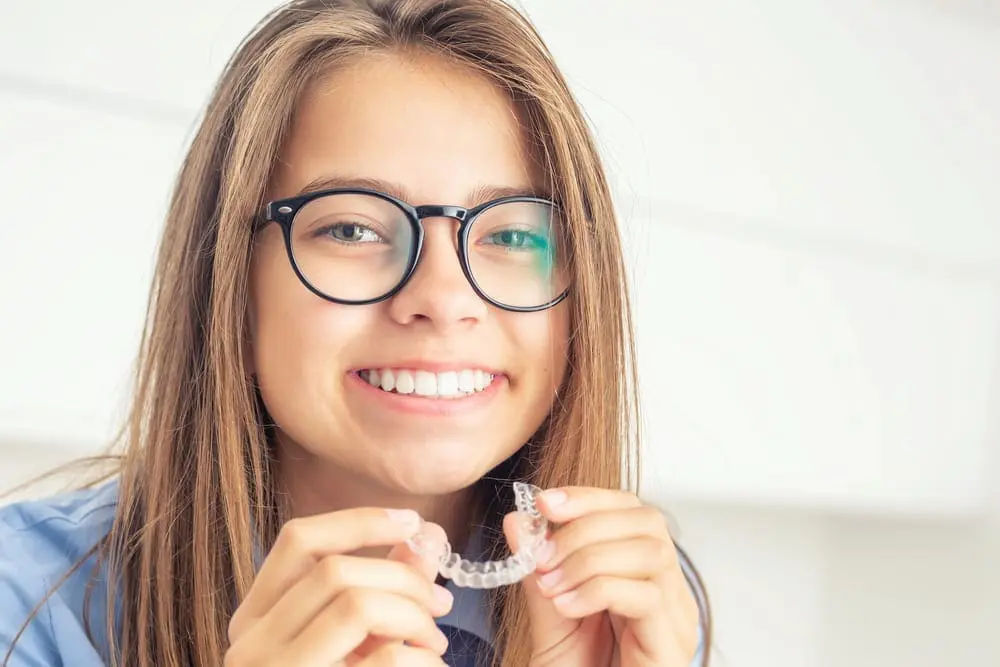
Clear aligners provide a modern, discreet alternative to traditional braces, offering a nearly invisible way to straighten teeth.
How They Work
Use consistent pressure to gradually move teeth, with new aligners replaced every two weeks.
Advantages
Discreet, removable for eating and cleaning and convenient for oral hygiene.
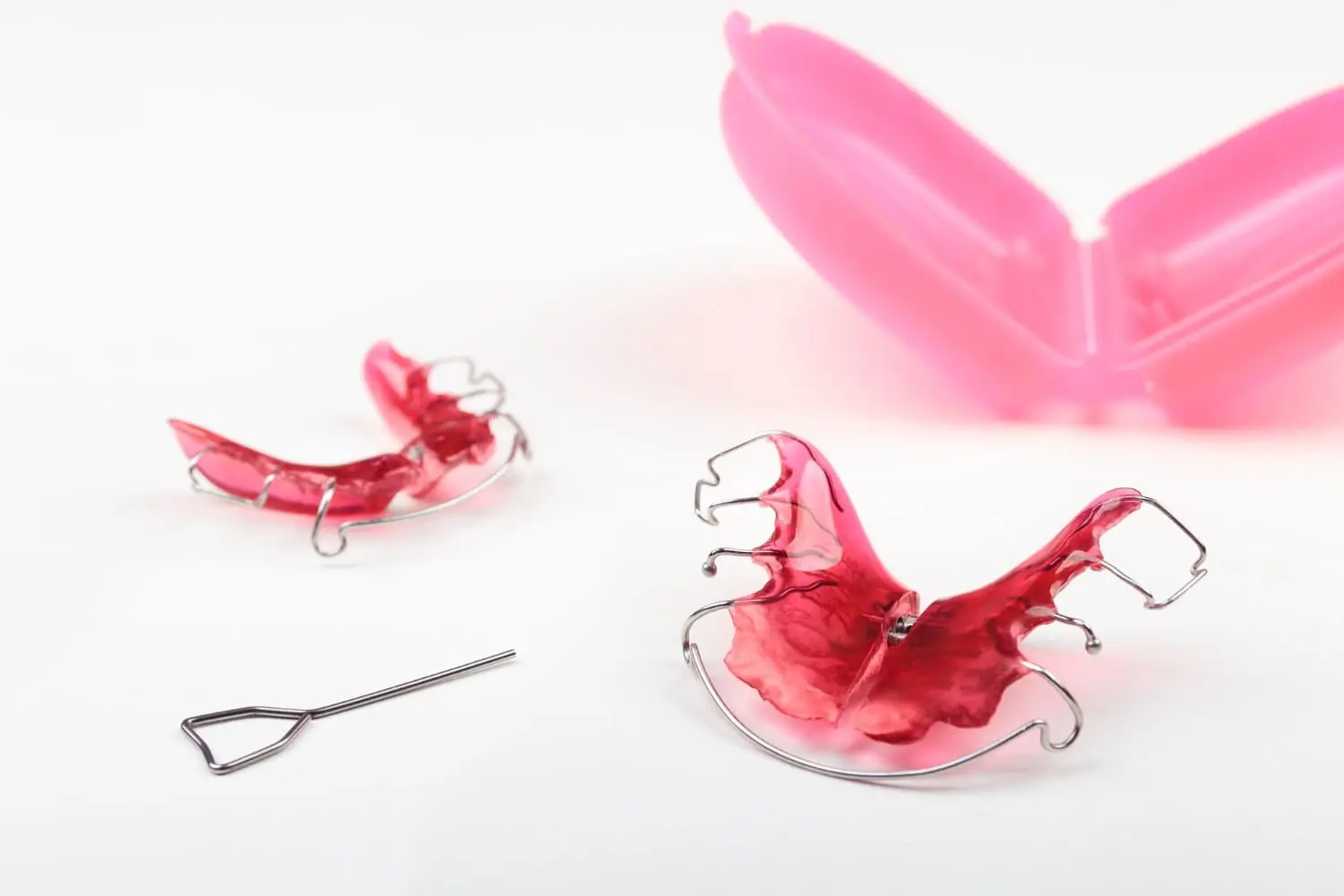
Functional Appliances
Functional appliances address jaw growth issues and are primarily recommended for children and teens during the development phase.
Types
Twin Block, Bionator and Herbst appliances.
Benefits
Can improve jaw function and facial aesthetics, preventing future dental problems.

Retainers
Retainers are critical for preserving the results of orthodontic treatment, ensuring teeth remain in their corrected positions.
Types
Removable (can be taken out for cleaning) and fixed (permanently bonded).
Benefits
Essential for maintaining the results of orthodontic treatment and a lasting smile.
Importance of Early Orthodontic Intervention
Finding the Right Pediatric Orthodontist
When choosing an orthodontist for your child, it’s essential to evaluate their expertise and background to ensure they are the right fit for your family’s needs. Look for an orthodontist with specialized training in orthodontics and significant experience treating children. Additionally, practical considerations such as the office’s proximity, flexible scheduling, and transparency regarding treatment costs, payment plans, or insurance options are crucial. Selecting the right orthodontist not only ensures your child receives exceptional care but also helps create a comfortable and positive treatment experience for them.