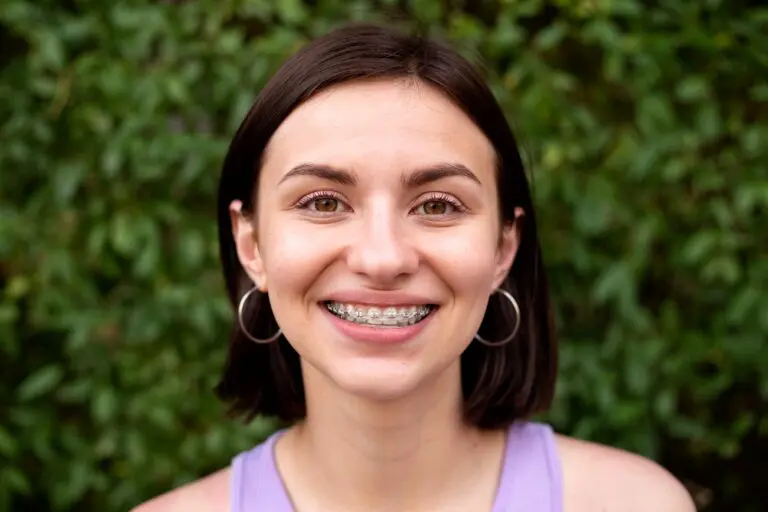
A single archwire doesn’t naturally apply the same force to every tooth it’s guiding. Root size and the distance between brackets vary from tooth to tooth, which means a standard wire progression can end up overpowering some teeth while underpowering others during the same phase of treatment. This is a real, physics-based limitation that orthodontic biomechanics research has spent real effort addressing, not just a technical footnote.
If you’re wondering how to fix overbite in Kirkland, WA: braces, Invisalign, orthodontic appliances for growing children, and jaw surgery for significant skeletal cases are the main treatment paths, typically running 12 to 24 months. The force a wire applies isn’t naturally uniform across every tooth, since root size and bracket spacing differ tooth to tooth, which is an active area of orthodontic engineering research relevant to how efficiently and comfortably an overbite correction actually proceeds.
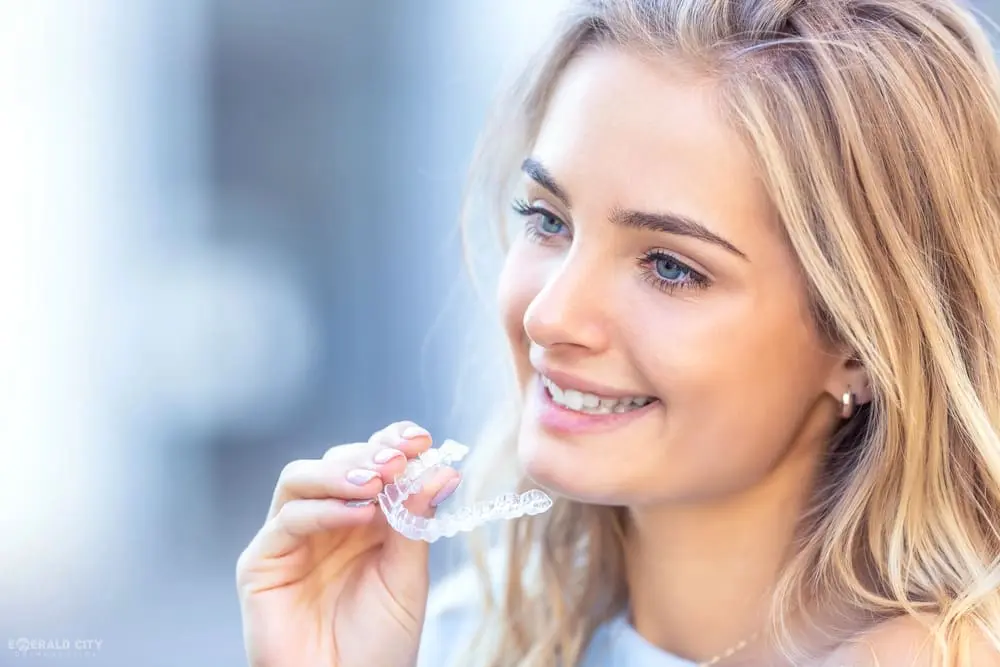
Why One Wire Doesn’t Apply Equal Force to Every Tooth
Traditional wire progression moves through rounds of increasingly stiff wire as treatment advances, a standard, well-established approach. But the same wire, at the same stiffness, doesn’t translate into the same force on every tooth along the arch. A tooth with a larger root, or one positioned with more distance between adjacent brackets, experiences different mechanical loading than a smaller tooth with brackets closer together, even under an identical wire.
This matters practically: a tooth receiving more force than it needs is at somewhat higher risk of root resorption or excess movement, while a tooth receiving less force than it needs simply moves more slowly than planned. Neither is a sign of anything going wrong with a standard treatment approach, but it’s a real source of the variability patients sometimes notice between how quickly different teeth in their own mouth seem to respond.
How Calibrated-Force Wire Engineering Addresses This
This is an active area of orthodontic biomechanics research. Dr. Rodrigo Viecilli, an orthodontist at Limestone Hills Orthodontics in Austin, TX, co-developed SmartArch, an archwire designed using finite-element analysis to calibrate force output for each tooth’s specific root size and bracket spacing, rather than applying one uniform stiffness across the entire arch. Peer-reviewed research on this calibrated-force approach has looked specifically at cases with significant tooth-size variation across the arch and patients at elevated risk for root resorption, situations where uniform-force wires are more likely to over- or under-treat specific teeth.
Not every case benefits equally from this kind of calibrated approach. For many overbite cases, conventional wire progression performs perfectly well, and the decision about which wire technology fits a specific case is one to discuss directly with your treating orthodontist, since availability and clinical fit vary by practice and by case.
What This Means for Discussing Your Plan
Understanding that force distribution across the arch isn’t automatically uniform is useful background for a conversation with your orthodontist, particularly for overbite cases involving elastics or bite turbos, where the mechanics are already more complex than simple alignment. Asking how your specific plan accounts for differences in tooth size and root support isn’t second-guessing your treatment; it reflects genuine, ongoing engineering work in the field.
Common Causes of an Overbite
Genetics, childhood habits like thumb-sucking, uneven jaw growth, tooth crowding, and mouth breathing are the most frequently cited contributing factors, often occurring in some combination rather than a single isolated cause.
Treatment Options
Braces remain effective for mild to severe overbites, using brackets, wires, and often elastics or bite turbos. Invisalign works well for mild to moderate cases using attachments and sometimes elastics. Orthodontic appliances, including palatal expanders and Herbst appliances, support growing children whose jaws are still developing. Jaw surgery, reserved for significant skeletal cases, is typically combined with orthodontic treatment before and after the procedure.
Cost
Both braces and Invisalign typically run $6,200 to $7,500 prior to insurance coverage, with jaw surgery costing considerably more for complex cases. Emerald City Orthodontics reviews financing options and insurance coverage directly during a consultation.
Retention
Once active treatment ends, a retainer, removable or fixed, keeps the corrected bite in place while the surrounding bone finishes stabilizing. Following your orthodontist’s specific wear schedule matters more than the type of retainer chosen.
Frequently Asked Questions
Does every orthodontist use calibrated-force wire technology?
No. This kind of wire is a specialized option used selectively for specific cases, not a universal standard across all practices. Conventional wire progression remains a well-established, effective approach for most overbite cases.
Can I naturally fix my overbite without treatment?
Most overbites cannot be corrected without orthodontic treatment. Good oral habits support overall dental health, but they don’t reposition teeth or correct jaw alignment on their own.
What happens if an overbite goes untreated?
Untreated overbites can lead to excessive tooth wear, jaw discomfort, difficulty chewing, and a higher risk of cavities or gum problems over time, along with potential effects on speech in some cases.
How long does it usually take to fix an overbite?
Most patients complete treatment within 12 to 24 months, depending on severity and treatment method. Your orthodontist will provide a more specific timeline after your evaluation.
Sources. Peer-reviewed research on calibrated-force orthodontic wire biomechanics; general orthodontic principles for overbite correction; clinical and administrative observations from Emerald City Orthodontics, Kirkland, WA.

Related Reading
- Can Invisalign Fix Overbite in Kirkland, WA
- How Does Invisalign Work in Kirkland, WA
- Herbst Appliance
Start Your Overbite Evaluation
Emerald City Orthodontics uses 3D imaging and a thorough evaluation to build a treatment plan matched to your specific case.
Free consultation for new patients.