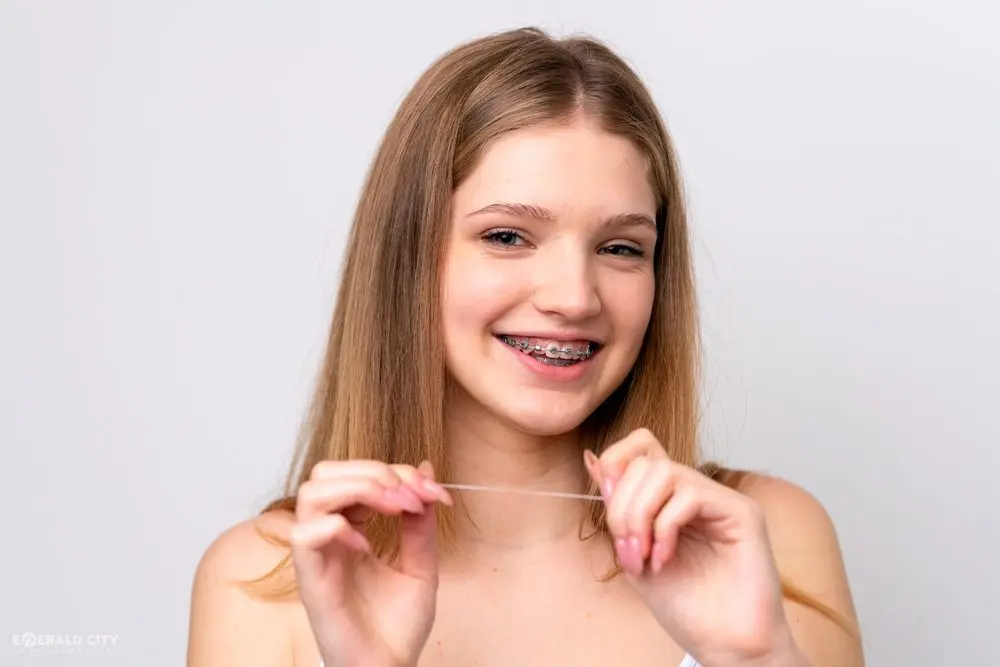
Trying to figure out how to floss with braces in Kirkland, WA? Regular flossing is key to avoiding plaque and keeping your gums healthy. A floss threader or orthodontic floss lets you slip the floss beneath the archwire so you can reach every tooth space. Although it’s slower than normal flossing, it’s crucial for preventing oral issues.
Keep reading to discover why flossing with braces is so important and how to do it correctly.

Why Flossing with Braces Is Important
Braces help align your teeth, but they also create small spaces where food and plaque can get trapped. This buildup can cause tartar, gum disease, cavities, and even tooth decay. Brushing alone isn’t enough to clean all these hard-to-reach areas. As Dr. Adam Reynolds, a local family orthodontist in Madison, AL, says, floss gets to spots a brush can’t. Flossing removes particles of food, bacteria, and plaque that brushing might miss, keeping your gums healthy and your smile bright.
The Best Tools for Flossing with Braces
When flossing with braces, having the right tools can make all the difference. Here are some tools recommended by orthodontists:
1. Floss Threaders
Floss threaders like Waterpik help you slide dental floss under braces’ wires. This tool works like a needle, making it easy to clean between your teeth. Threaders are affordable, simple to use, and an essential part of any braces cleaning routine.
2. Water Flossers
A water flosser, also known as an oral irrigator, sprays water into the gaps between your teeth and around your braces. It’s ideal for sensitive gums and those hard-to-reach spots. Water flossers are gentle and effective, making them a great option for daily cleaning.
3. Super Floss
Super floss has a stiff tip for threading and a spongy section that removes plaque and bacteria. It’s perfect for working around brackets and under wires, and it’s excellent for cleaning tight spaces.
4. Interdental Brushes
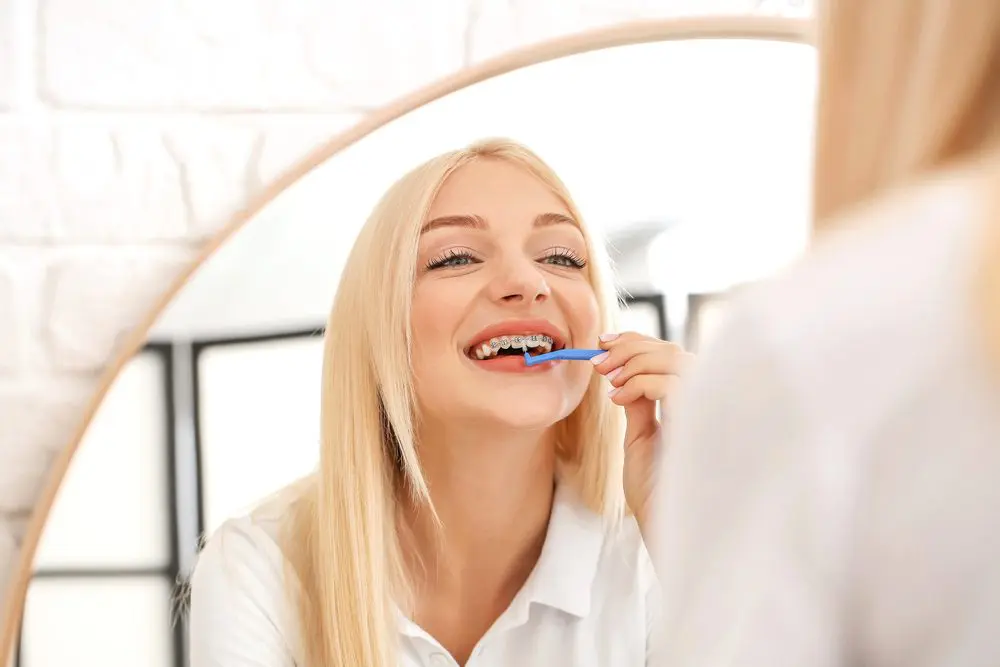
Interdental brushes (or proxabrushes) are small brushes that fit between your braces and teeth. These tools easily remove debris from brackets, wires, and small gaps, making them an ideal cleaning tool for brace wearers.
5. Floss Picks
Floss picks are small handles with a pre-cut piece of floss. They’re easy to hold and simple to use. If regular floss feels like too much work, floss picks are a convenient option.
Where Can I Find These Tools?
You can buy floss threaders, water flossers, proxabrushes, and other braces cleaning tools at local stores or online retailers. Keeping these tools readily available ensures you can stick to your flossing routine without stress.
A Step-by-Step Guide to Flossing with Braces
Flossing with braces may take extra time and patience, but with regular practice, it becomes second nature. Follow this simple guide for your oral care routine:
Step 1: Prepare the Floss
Start with about 18 inches of dental floss. Insert it into a floss threader. Gently slide the threader under the braces wire to position the floss between your teeth.
Step 2: Clean Between Each Tooth
Shape the floss into a C-shape around one tooth. Carefully move it up and down to remove plaque and food particles. Be gentle so you don’t irritate your gums or damage your braces brackets.
Step 3: Use a Water Flosser for Extra Cleanup
A water flosser can reach areas that a floss might miss. Aim the water between teeth, along the gumline, and around your brackets. Adjust the water pressure to fit your comfort level if your gums are tender. As Dr. Sam Titus, a professional orthodontist in Westfield, IN, recommends, using a water flosser daily can help reduce plaque buildup and keep your gums healthy during orthodontic treatment.
Step 4: Brush Thoroughly
After flossing, brush your teeth with a soft toothbrush. Use circular motions to clean around your brackets and wires. Finish with fluoride toothpaste and mouthwash to strengthen your teeth and prevent tooth decay.
Flossing Tips for Different Types of Braces
Each type of braces might need a slightly different approach when flossing:
- Metal Braces: Use plenty of floss threaders to clean around the brackets and wires properly.
- Clear Braces: Be careful to avoid scratching the clear brackets.
- Lingual Braces: Since these are on the back of your teeth, a water flosser or proxabrush is helpful for cleaning these hard-to-reach areas.
- Self-Ligating Braces: There are fewer parts in these braces, but flossing is still essential to remove plaque.
Overcoming Common Flossing Challenges
Flossing with braces can feel hard at first, but don’t give up! Here are solutions to the most common issues:
Sensitive Gums
Your gums may feel sore or bleed when you first start flossing with braces. Rinse with warm saltwater after flossing to soothe irritation. Over time, regular flossing will make your gums stronger and healthier.
Hard-to-Reach Spots
The back teeth and areas under wires can be tricky to clean. Use a water flosser or a proxy brush, interdental brush, or super floss to make sure you clean every spot thoroughly. Take your time to move the tools gently around brackets and wires.
Trouble Using String Floss
Floss picks or pre-threaded tools are great alternatives to traditional floss. These tools make flossing simpler and faster, especially if you’re running short on time. They’re easy to hold and less likely to get tangled.
Caring for Your Smile After Braces
When your braces come off, don’t stop your good hygiene habits. Here’s how to keep your smile healthy:
- Clean Your Retainer: Brush and rinse your retainer every day to prevent bacteria and plaque buildup.
- Floss Daily: Flossing removes debris left between your teeth, keeping your gums healthy.
- Brush Thoroughly: Use fluoride toothpaste twice a day to protect your teeth and gumline.
Expert Guidance from Emerald City Orthodontics
At Emerald City Orthodontics in Kirkland, WA, we aim to make cleaning your braces easy. We provide:
- Starter Kits: Customized cleaning kit bundles with floss threaders, proxabrushes, and other helpful tools for braces care.
- Personalized Tips: Hands-on guidance for flossing tools and techniques to fit your specific needs.
- Support for Sensitive Teeth or Gums: Solutions for discomfort, plaque prevention, and improving your oral hygiene routine.
Keep Your Smile Bright with Emerald City Orthodontics
At Emerald City Orthodontics in Kirkland, WA, we make flossing with braces simple and effective. Our team offers personalized tips, starter kits, and expert support to help you maintain a healthy, beautiful smile throughout your orthodontic journey. Schedule your appointment today and learn how easy caring for your braces can be!
About The Authors
Dr. Fiona Shi – Orthodontist in Kirkland, WA
Dr. Sam Titus – Orthodontist in Westfield, IN
Frequently Asked Questions
Is it okay to skip one day of flossing with braces?
It’s best to floss every day, but skipping once in a while won’t ruin your smile. We all get tired or busy sometimes, and that’s okay. Just try not to make it a habit. Braces can trap food easily, so regular flossing helps keep your teeth and gums clean. If you miss a day, get back to it the next day and take your time.
How many times a day should I floss with braces?
With braces, try to floss at least once a day, especially before bed. If you can, flossing after meals is even better. It might take a little longer at first, but it gets easier with practice. Use tools like floss threaders or a water flosser to make the job faster and simpler. Be gentle, take your time, and soon you’ll be a pro at keeping your teeth clean and your smile bright!
Can dentists tell if you don’t floss?
Yes, dentists can tell right away if you haven’t been flossing. When you skip flossing, plaque builds up, and your gums might look red, puffy, or bleed during your visit. There may even be a slight smell from trapped food.