



Causes and Risk Factors

Genetics of underbite
Genetics is a major factor in the presence of an underbite, often being passed down through family members. If one parent has an underbite, their child has a much higher chance of developing the condition due to inherited traits.
The role of environmental factors in underbite
Environmental elements can also lead to the growth of an underbite. For example, chronic mouth breathing from allergies or other breathing troubles may affect normal jaw growth.

Mouth breathing and its relationship to underbite
Mouth breathing, often due to allergies or respiratory conditions, can disturb proper jaw growth. Poor tongue positioning and pressure caused by mouth breathing can lead to the development of an underbite.
Types and Severity of Underbite
At Emerald City Orthodontics, underbites are classified into three main types: Class I (mild overlap), Class II (moderate overlap), and Class III (severe protrusion). Each patient’s condition is carefully examined to determine the most effective treatment. Additionally, we check for any impact on the temporomandibular joint (TMJ) as this may affect treatment plans.
Effects and Complications of an Underbite
Most patients visiting Emerald City Orthodontics often express concerns about underbite complications. These can include:
Facial appearance changes
Difficulty maintaining proper oral hygiene
Speech impediments
Challenges with chewing and digestion
Increased risk of tooth wear
Potential development of sleep apnea
TMJ disorders and associated pain
Gum recession from occlusal interference
Treatment Options for Underbite in Kirkland WA at Emerald City Orthodontics
Non-surgical Approaches
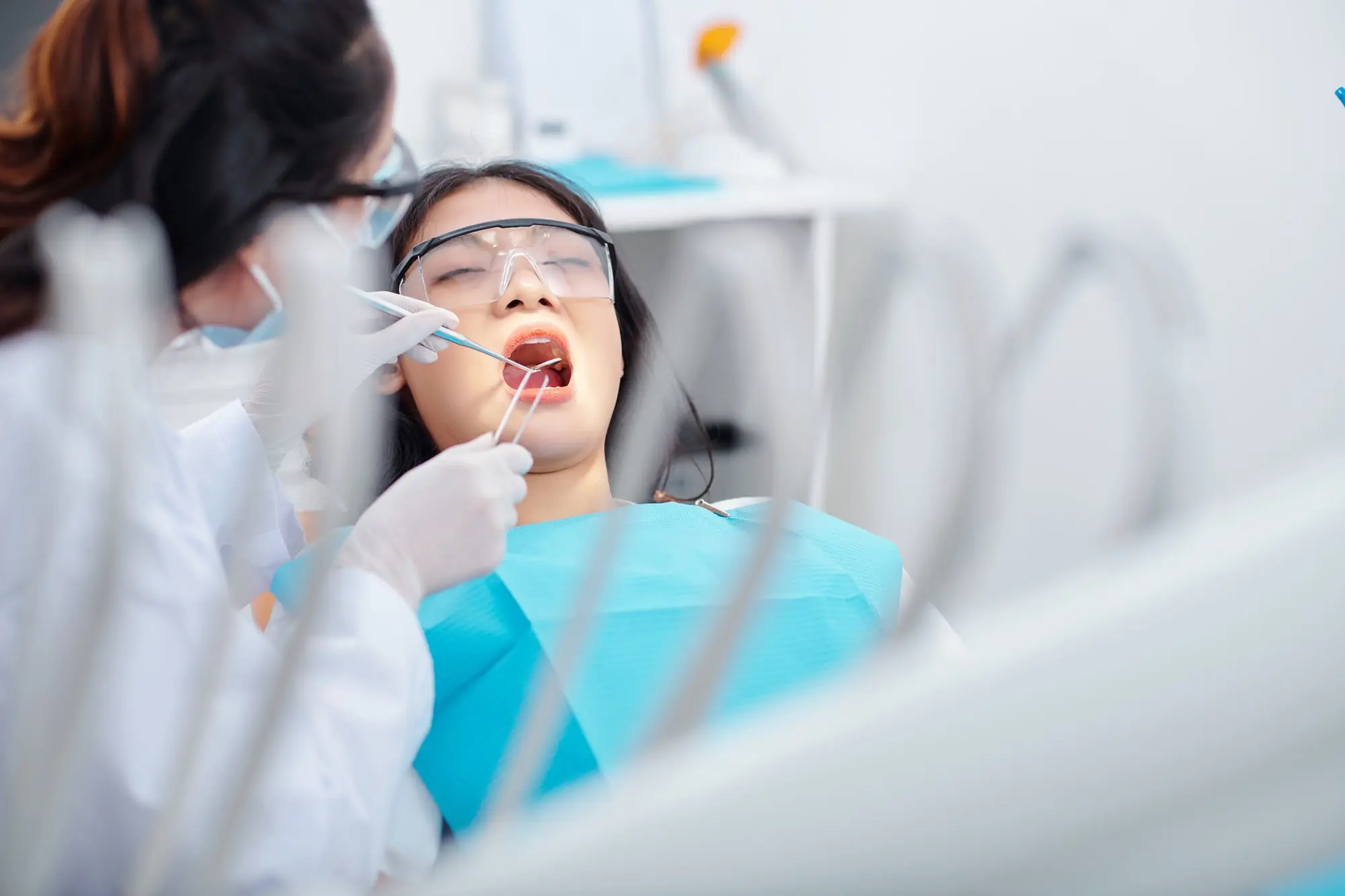
We offer various non-surgical treatment options at our Kirkland office, including:
These treatments are tailored to meet each patient’s unique needs and seamlessly fit their lifestyle. Many residents have successfully corrected their underbites through these conservative approaches.
Surgical Intervention
For more severe cases, we collaborate with experienced oral surgeons to deliver comprehensive surgical treatment plans. This approach is typically recommended for adult patients or when orthodontic care by itself is not enough. Our team ensures smooth communication between our orthodontists and surgeons, providing the most effective care.